
The race to the 2026 World Cup is already reshaping how football’s biggest stars are used. From Lamine Yamal to Lionel Messi, top players are seeing reduced minutes, late-season shutdowns, and carefully managed workloads—not by accident, but by design.
With injury risk and fatigue under the spotlight, teams are prioritizing one outcome above all else: having their stars healthy when the tournament begins. In today’s game, managing minutes isn’t caution—it’s strategy.
Lamine Yamal (Spain)
The clearest example of World Cup-driven preservation is Lamine Yamal, who was shut down after suffering a hamstring (biceps femoris) injury late in the season. Hamstring injuries carry a high recurrence rate, particularly for explosive wide players, and Barcelona eliminated any risk of re-aggravation by ending his club campaign early. This is not just standard injury recovery—it’s controlled preservation with the expectation that Yamal enters the World Cup fresh, even if it costs him meaningful club minutes.
Neymar (Brazil)
Neymar’s situation is increasingly shaped by both his injury history and where he is in his career. Following an ACL tear along with recurring ankle and foot issues, his workload has been more carefully managed, but he’s no longer the singular focal point he once was for Brazil. As he gets older, the approach shifts toward maintaining availability rather than maximizing usage. With a new coaching staff and a growing youth movement, Brazil has more flexibility to pivot if Neymar isn’t at full strength. He still projects as an important piece, but the emphasis is on having him healthy and effective in a complementary role rather than relying on him to carry the attack.
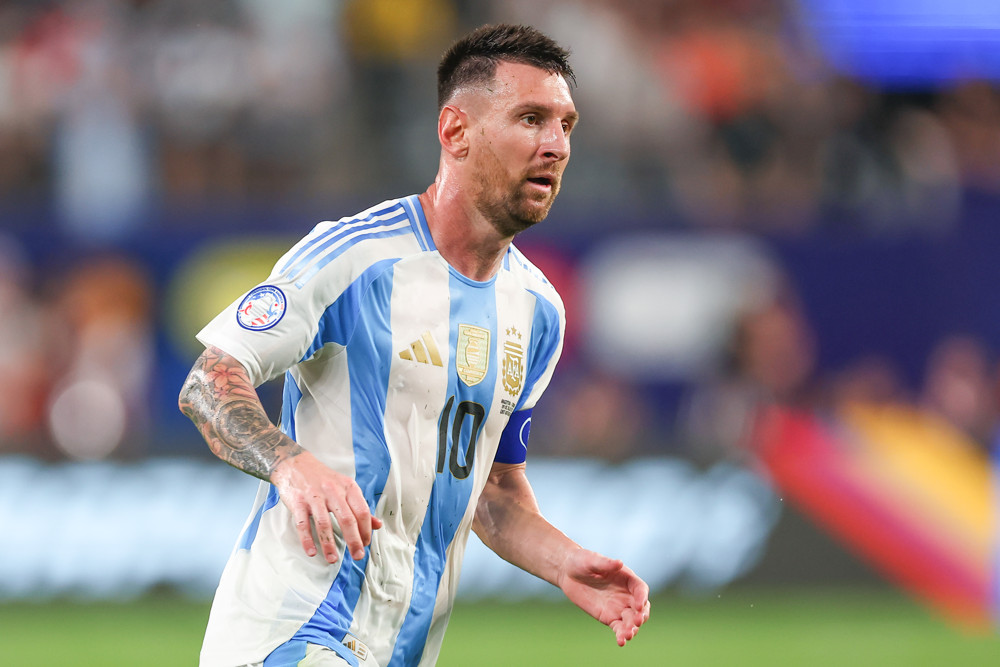
Lionel Messi (Argentina)
For Messi, the focus is less on a specific injury and more on cumulative wear and soft-tissue management. At this stage of his career, fatigue prevention is critical, and he has been regularly rested during congested stretches to avoid muscle strains. Argentina’s approach is deliberate—limit exposure now to ensure he can handle the physical demands of another deep World Cup run.
Kevin De Bruyne (Belgium)
De Bruyne’s profile is defined by recurring hamstring and soft-tissue issues, which are particularly susceptible to overuse. His workload has been more carefully monitored, with built-in rest cycles designed to prevent setbacks. Belgium’s heavy dependence on his playmaking ability makes preserving his health a priority, even if it results in inconsistent availability at the club level.
Christian Pulisic (United States)
Pulisic has dealt with a history of muscle strains and fatigue-related injuries, making him a prime candidate for controlled workload management. His usage has been carefully balanced with periodic rest to avoid overload scenarios. With the United States hosting the tournament, ensuring Pulisic is fully fit is a central priority, shaping how his minutes are handled leading into 2026.
Sign up to our FREE Weekly Newsletter here for all of our best injury-insights, free injury-based picks and special discount offers!
WANT TO KNOW WHO TO PICK FOR THE WORLD CUP? - USE SIC PICKS
SIC PICKS ARE BASED ON INSIDER INJURY KNOWLEDGE FROM FORMER PRO SPORTS TEAM DOCTORS TO GIVE YOU A WINNING EDGE IN SPORTS BETTING!
SIC PICKS are powered by the proven SIC Score algorithms from our exclusive panel of former Pro Sports Team doctors to give you a sports betting edge. Each day our team of doctors analyze the players and teams and share their expert insights to help you make informed bets on the biggest unknown to sportsbooks and sports bettors - player health and injuries!
For our Best Bets including spreads, totals, props and live in game with instant alerts as game day opportunities arise with research notes, sign up to SIC Picks here for less than $2 a day on an annual plan.
Sign up to SIC Picks today to get our picks sent direct to your cell!


